History
The first observations of banded mongooses at Mweya were made by Ernest Neal and Jon Rood starting in the late 1960s. Rood studied the Mweya mongooses for five years from the early 1970s, but had to abandon his research in 1976 as Uganda descended into chaos under Idi Amin. In the early 1990s, Daniela De Luca, an Italian graduate student, returned to Mweya to follow up on Rood’s observations. The Banded Mongoose Research Project was founded a few years later in 1995, by Michael Cant from the University of Cambridge. Since then, the project has grown into a world-leading study of social mammals, generating over 130 peer-reviewed scientific papers and helping to train a new generation of animal behaviour researchers. The Banded Mongoose Project supports a population of over 200 banded mongooses living in nine social groups.
Funding
We are funded by grants from the European Research Council, the Natural Environment Research Council of the UK, and The German Research Foundation (DFG). It takes a lot of work to keep a project going for 30 years, and part of the reason why we have been successful at winning funding is that banded mongooses challenge established wisdom about how and why animal societies evolve. We are rewarded by being able to follow individuals across their entire lives and over multiple generations, finding answers to important questions. What are the consequences of getting a good start in life? Why are some individuals more cooperative than others, or more aggressive? How do conflicts within family arise and how are they resolved? Why do some animals go to war? These are questions that studies of wild animals can answer in a way that laboratory research cannot.
Field Site
Around Myewa
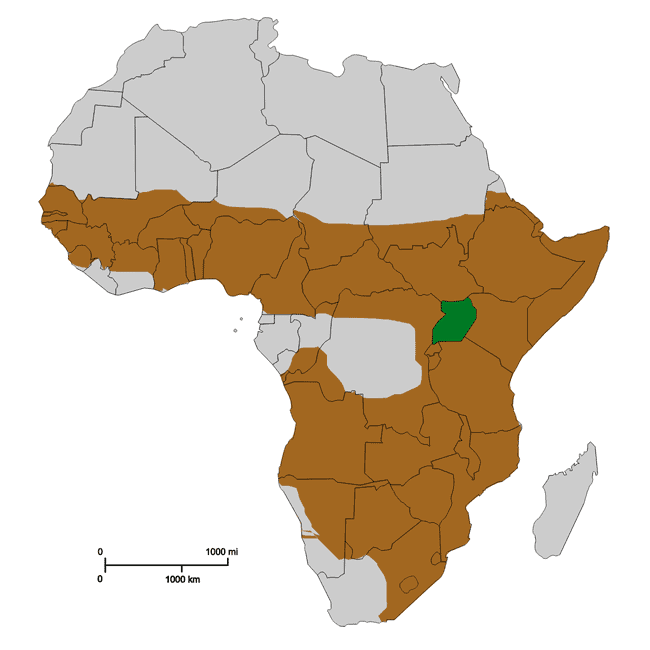
The Banded Mongoose Project is based on and around Mweya Peninsula, in Queen Elizabeth National Park (QENP), western Uganda. QENP is managed by the Uganda Wildlife Authority and protects a variety of different habitats, including open savannah, vast crater lakes, swamps and extensive areas of forest. The park is home to a diverse array of fauna, including lions, leopards, elephants, buffalo, hippos, chimpanzees and more than 600 bird species.
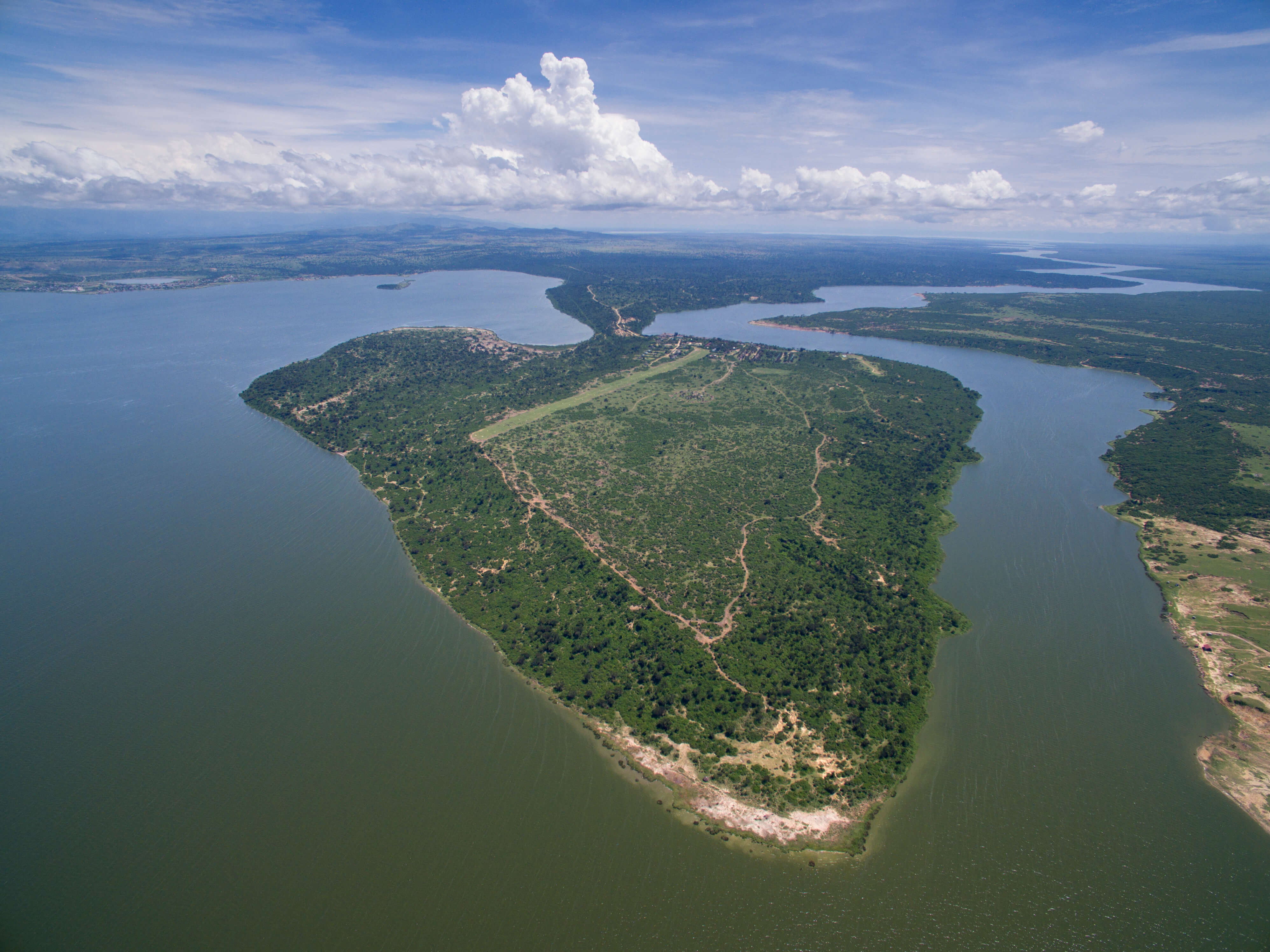
Mweya Peninsula is dominated by sicklebush (Dichrostachys cinerea) and thickets of Euphorbia candelabrum, Capparis tormentosa and Azima tetracantha, with patches of grassland (mainly Sporobulus pyrimidalis, Chloris orientalis and Chloris gayana). Waterbuck, buffalo and warthogs are common, and elephants are regular visitors. Crocodiles are regularly observed by the lake shore and monitor lizards and snakes are common.
Mweya is the headquarters of Queen Elizabeth National Park and the site of Mweya Safari Lodge, a busy tourist hotel. There are no fences in the park and wild animals (including mongooses) roam freely in Mweya village. As Mweya is close to the equator, there is little annual fluctuation in day length or temperature. Some rain falls in most months, although rainfall peaks in April-May and September-November.